
aka Sassafrax,White Sassafras, Red Sassafras, Silky Sassafras, Winauk, or Cinnamon Wood
A distinctive tree that is very abundant here on our homestead. For those unfamiliar, it is a deciduous tree with three different shaped leaves that share the same branches from a trilobed, two-lobed or single lobed elliptical leaf that appear green to yellow-green. In the fall they turn a flaming shade of yellow and some leaves may be tipped with red. The entire tree is aromatic and spicy. When you break a branch or rub against it you will definitely notice the scent - which personally I enjoy. It is very easy to recognize once you see it and all of the kids can pick it out. It makes a refreshing tea which can be enjoyed in small amounts. The goats and pigs also seem to love it!
[[The following information is shared for informational purposes only. It is not meant to be used for diagnosis or treatment of any illness or injury. Always consult with a physician or other qualified medical care provider concerning the diagnosis and treatment of any illness or injury.]]
It has been used by the Native Americans, the Europeans and early Americans as a medicinal herb. The leaves & roots can be used as teas or poultices and the bark could be crushed and steeped in boiling water. It was used to reduce fevers, treat rheumatism, gout, dropsy, kidney disease, toothaches, to relieve inflammation of the eyes, ease menstrual pain, cure various skin conditions [including insect bites, germs, and head lice], used as an antiseptic, to cure urinary tract infections, to relieve swelling, to treat syphilis and even cancer.
Sassafras can be used to flavor sodas and teas. It is also used in cooking as a thickening agent, in salads, as a condiment, or to brew beverages.
It contains a chemical called safrole which has been labeled by the FDA as a carcinogen. This was after testing in rats which were given extreme dosages each day, each person can be their own jury in this. Excessive dose of sassafras can cause anxiety, shakiness, abnormal heart beats, vomiting, dilated pupils, stupor, spontaneous abortion, collapse and even death.


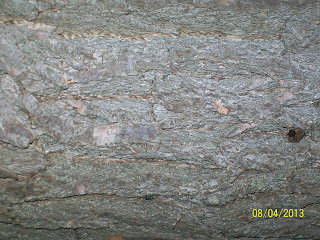
Sassafras can be used to flavor sodas and teas. It is also used in cooking as a thickening agent, in salads, as a condiment, or to brew beverages.
It contains a chemical called safrole which has been labeled by the FDA as a carcinogen. This was after testing in rats which were given extreme dosages each day, each person can be their own jury in this. Excessive dose of sassafras can cause anxiety, shakiness, abnormal heart beats, vomiting, dilated pupils, stupor, spontaneous abortion, collapse and even death.


